- Psychool
- Posts
- Why Some People Just Don’t Feel: The Psychology of Callous-Unemotional Traits
Why Some People Just Don’t Feel: The Psychology of Callous-Unemotional Traits
Understanding the quiet, haunting side of the human mind where feeling fades away.

Faraz Ali
October 29, 2025
In partnership with

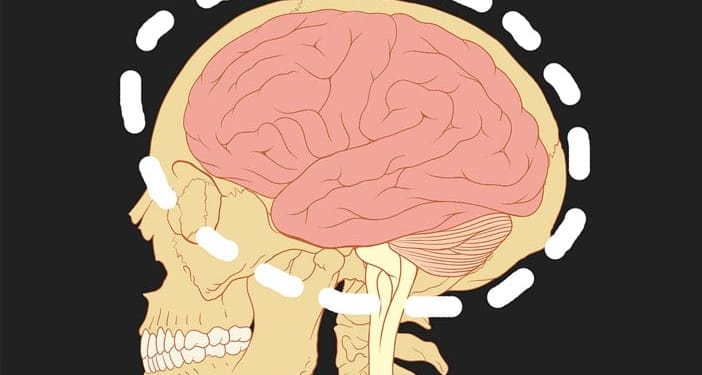
We all know someone who seems emotionally hollow. They don’t react when others cry. They don’t flinch at cruelty. They move through life untouched by guilt or empathy. It’s easy to call them cold or heartless. But psychology has a different name: Callous-Unemotional Traits.
“The absence of feeling is not always evil. Sometimes, it’s just survival that went on too long.”
Seeking impartial news? Meet 1440.
Every day, 3.5 million readers turn to 1440 for their factual news. We sift through 100+ sources to bring you a complete summary of politics, global events, business, and culture, all in a brief 5-minute email. Enjoy an impartial news experience.
What Are Callous-Unemotional Traits?
Callous-unemotional traits describe a pattern of emotional disconnection found in some people across all ages. They include a lack of empathy, little or no remorse, shallow emotions, and indifference to performance or relationships. It’s not always a conscious choice. For some, it’s how their brain is wired. For others, it’s how life taught them to survive pain.
The APSD: A Window Into Emotional Numbness
Psychologists use a tool called the Antisocial Process Screening Device (APSD) to understand these traits. It’s not a test to label someone as bad. It’s a lens to see what’s happening underneath behaviors that confuse or frighten us. The APSD measures things like lack of guilt, emotional flatness, and disregard for others. These traits can show up in children, teens, or adults. Recognizing them early helps professionals build empathy-centered interventions before these patterns harden into lifelong emotional distance.
What Happens When You Can’t Feel
Research shows that for people high in callous-unemotional traits, the brain’s emotion centers, especially the amygdala, don’t respond strongly to fear or distress. When others cry, their minds stay quiet. They don’t learn from punishment the same way. They don’t feel rewarded by kindness the way most people do. Over time, this emotional silence changes how they connect with others. Love becomes logic. Relationships become transactions. Apologies feel unnecessary because guilt doesn’t register as pain.
Not Evil, But Empty
It’s easy to look at these people and think they’re cruel by choice. But sometimes, the truth is sadder. Many grew up in homes where emotion was punished or ignored. They learned that feeling deeply only led to hurt. So the brain, in its desperate wisdom, learned to numb everything. When empathy disappears, it’s not always malice, it’s often protection that never turned off.
Why This Matters For All Of Us
We all know someone who fits this description. Maybe it’s a friend who never apologizes, a partner who can’t love back, a parent who feels unreachable. Understanding callous-unemotional traits isn’t about excusing harm. It’s about realizing that behind the coldness might be someone whose emotional world froze years ago. When we see them as humans who lost the ability to connect, we create space for compassion, and maybe, for healing.
What The APSD Reminds Us
The APSD is more than a psychological tool. It’s a reminder that behavior always tells a story. When someone doesn’t feel what we expect them to, it doesn’t mean there’s no story there. It means the story is buried deep, under years of silence. The work of psychology isn’t to judge that silence but to help bring sound back to it.
Empathy is not something we’re all born knowing. For some, it’s something that must be taught, learned, and painfully reclaimed. And sometimes, the people who seem the most unfeeling are the ones who need feeling the most.
Support Human Psychology
If this piece made you pause, think, or feel something real, then Human Psychology is for you. I write to make people understand the mind not as theory, but as something painfully alive.
Your support keeps this work honest, vulnerable, and human.
The daily health habit you’ll actually stick with…

This time of year, it’s so easy for your daily routine to be thrown off.
When it starts getting dark before you’re home from work and the Halloween candy is taunting you, it’s important to find something that’s easy to do daily for your body.
With just one quick scoop every morning, you’ll get over 75 ingredients that help support your immune health, gut health, energy and help to close nutrient gaps in your diet.
Click here and you’ll get a free AG1 welcome kit with your first subscription including a:
✔️ FREE Flavor Sample Pack
✔️ FREE Bottle Vitamin D3+K2 Drops
✔️ FREE Canister + Shaker
It’s one of the easiest things you can do for your body every day.
*These statements have not been evaluated by the Food and Drug Administration.
|

Recommended Psychological & Mental Health Tests
Reply