- Psychool
- Posts
- The Psychology of Sustainability and Behavior Change
The Psychology of Sustainability and Behavior Change

Faraz Ali
October 28, 2025
In partnership with

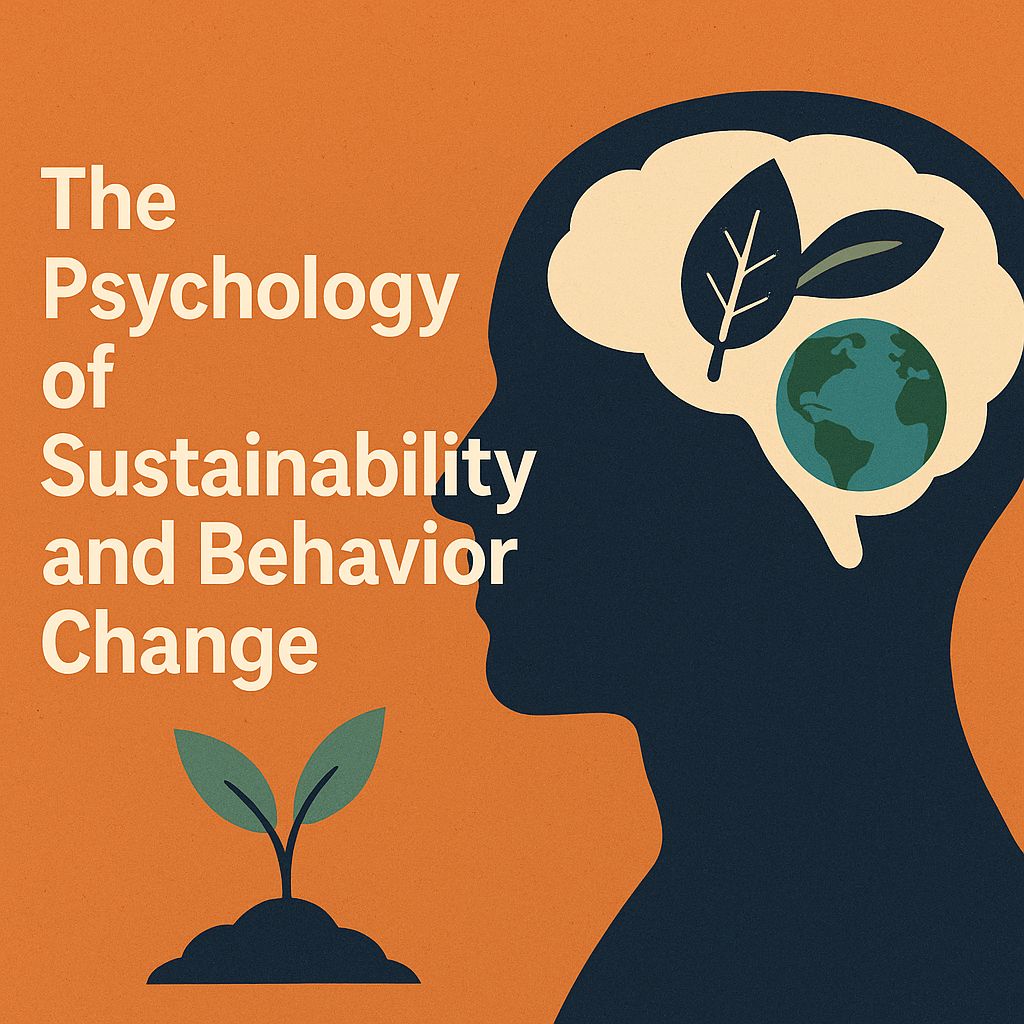
Everyone knows the facts. The planet is warming, oceans are filling with plastic, and forests are disappearing. Yet most of us still struggle to change our habits. We recycle when it’s easy, forget our reusable bags, and tell ourselves one small action doesn’t matter. It’s not that people don’t care. It’s that caring alone rarely changes behavior. Sustainability is not just about science. It’s about psychology. Our choices are shaped by emotion, habit, social influence, and the way our brains interpret change. If we truly want to solve the environmental crisis, we have to understand what makes humans act—and what keeps them from acting.
Elevate your inbox with this trending newsletter.
Why People Don’t Change, Even When They Care
Psychologists have spent years studying why humans struggle to turn awareness into action. It turns out the biggest barriers to sustainable behavior are not ignorance or apathy, but deeply wired psychological patterns that govern decision-making.
Cognitive Dissonance
This is the discomfort you feel when your actions conflict with your values. You might care about the planet but still buy products that harm it. Instead of changing behavior, most people reduce the discomfort by rationalizing it: “It’s just one flight” or “I’ll do better next time.” These small justifications protect our self-image but prevent real change.
Present Bias
Humans are wired to prioritize now over later. The benefits of turning off lights, biking to work, or reducing waste are distant and invisible, while the effort is immediate. This is why sustainable behavior often loses to convenience. We are built to chase comfort in the moment, not long-term collective reward.
Behavior spreads through imitation. We look to others to decide what’s normal. If friends or neighbors use solar panels, compost, or drive EVs, we’re more likely to follow. When sustainable behavior becomes socially visible, it also becomes socially contagious.
Habit and Effort
Sustainability requires friction. Every reusable bottle, compost bin, or slow fashion purchase demands a small break in routine. The brain resists friction—it craves ease and familiarity. Real progress happens when sustainable actions become automatic and part of identity rather than effort.
How to Turn Awareness Into Real Action
Understanding the psychology behind sustainability helps create better ways to motivate change, both personally and collectively.
Start with Self-Awareness
Behavior change begins with self-reflection. Ask yourself: Do my daily habits reflect my values? Where am I acting on autopilot? Awareness is the foundation of change. If you want to go deeper, take our short Sustainability Mindset Quiz to uncover your environmental motivation style, whether you act from logic, empathy, identity, or social influence.
Humans change faster in groups. Join local initiatives, share your progress, and connect with people who inspire you. Talking about your choices out loud makes sustainable behavior part of your social identity, not just a private goal.
Redesign Your Environment
Behavioral science shows that small environmental cues drive big changes. Place your reusable bags near your keys. Keep recycling bins visible. Make sustainable choices easier than unsustainable ones. When the environment supports your intentions, willpower becomes less important.
Reward Progress, Not Perfection
The brain loves feedback. Celebrate small wins. Notice the savings, the satisfaction, or even the cleaner spaces you create. Sustainability is not about guilt—it’s about growth. The more rewarding a behavior feels, the more likely it is to stick.
The fight for sustainability isn’t just happening in the atmosphere or the oceans—it’s happening in our minds. Facts alone won’t change behavior, but psychology can. By understanding how we think, what motivates us, and how habits form, we can design lives and systems that make doing the right thing the natural thing. The next time you wonder why people don’t care enough, remember: they probably do. They just need the tools, environments, and mindsets that make caring easier to live by.
Recommended Psychological Tests
The Simplest Way To Create and Launch AI Agents

Imagine if ChatGPT, Zapier, and Webflow all had a baby. That's Lindy.
With Lindy, you can build AI agents and apps in minutes simply by describing what you want in plain English.
→ "Create a booking platform for my business"
→ "Automate my sales outreach"
→ "Create a weekly summary about each employee's performance and send it as an email"
From inbound lead qualification to AI-powered customer support and full-blown apps, Lindy has hundreds of agents that are ready to work for you 24/7/365.
Stop doing repetitive tasks manually. Let Lindy automate workflows, save time, and grow your business.

Reply