- Psychool
- Posts
- Why broken trust makes your memory foggy
Why broken trust makes your memory foggy
Betrayal trauma alters how your nervous system stores the truth about people you depend on.
In partnership with

| |||
Sunday Inner Compass | |||
When the person who hurt you was your refuge | |||
You stare at an unanswered message on your kitchen counter, wondering why you feel dizzy rather than simply angry. It is disorienting when the source of your distress is also the person you instinctively turn to for comfort. | |||
 | |||

Forget SpaceX. These 7 Stocks Could Be Next.

You may not have gotten into SpaceX early, but the space-investing story is far from over.
Record launches, falling costs, government contracts and new technologies are turning space into a commercial market. That growth is creating opportunities across satellites, defense, communications, data and in-space infrastructure.
This free report 7 Best Space Stocks to Own in 2026 reveals seven publicly traded companies positioned across this expanding economy. It explains how each business makes money, what could move its stock and which risks investors should understand.
SpaceX captured Wall Street’s attention. Now see which seven space stocks could benefit from what comes next.
Three ways betrayal trauma scrambles your sense of reality1. Betrayal blindness protects your survival — When someone you rely on for shelter, emotional safety, or partnership violates your trust, seeing the harm clearly threatens the bond you still need to survive. Psychologists call this adaptive unawareness betrayal blindness. Your mind misplaces details or minimizes lies not out of foolishness, but to keep vital cooperation intact until you are safe. If your memories feel blurred after a rupture, notice that your brain was trying to protect your baseline security. 2. The body holds the collision of approach and retreat — Standard fear prompts an impulse to flee, but interpersonal violation produces a painful double signal. One part of your nervous system reaches outward for repair while another recoils to prevent further damage. You might notice this as sudden exhaustion, chest tightness, or pacing across your living room without knowing why. Recognize that fatigue often marks this internal standoff between attachment instincts and self-preservation. 3. Self-doubt replaces anger when accountability is missing — In the aftermath of broken faith, people frequently interrogate their own reactions rather than the offense itself. You replay past conversations late at night, asking whether you were too demanding or misinterpreted clear signals. This inward turn happens because altering your self-perception feels safer than accepting that a trusted companion acted carelessly. Reclaim one small fact today without requiring anyone else to validate what occurred. | |
| |
Try this before next weekThis week, when an interaction leaves you second-guessing your perceptions, write down three sensory facts about what happened before interpreting motive. Note the exact words spoken, your physical posture, and the time of day. Giving your mind a factual anchor keeps your nervous system from drifting into self-doubt. |
The holiday streaming season is almost here

Are you ready? As revealed in our holiday playbook, Roku Ads Manager lets you easily set up, measure and optimize your self-serve holiday ad campaign. You can even create a shoppable ad unit that lets streamers buy directly from their remote.
| ||||||||||||
Where in your life are you working harder to excuse someone else than to comfort yourself? | ||||||||||||
If today’s idea felt relevant Four related self-checksUse these as prompts for reflection, not labels or verdicts.
|




Turn AI into Your Income Engine
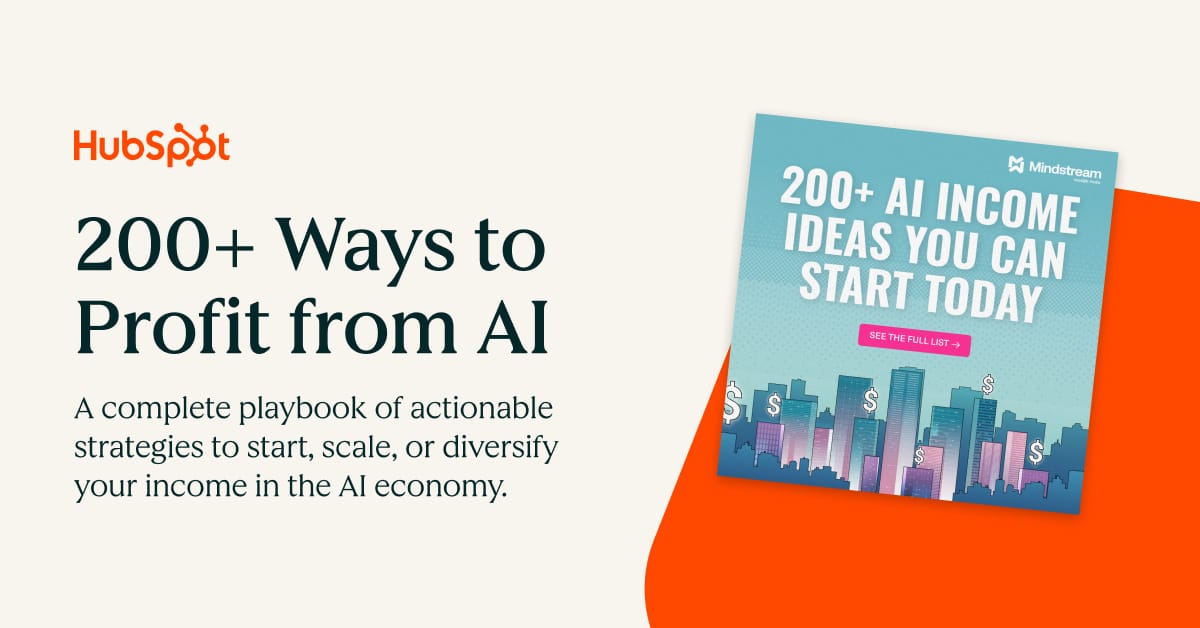
Ready to transform artificial intelligence from a buzzword into your personal revenue generator?
HubSpot’s groundbreaking guide "200+ AI-Powered Income Ideas" is your gateway to financial innovation in the digital age.
Inside you'll discover:
A curated collection of 200+ profitable opportunities spanning content creation, e-commerce, gaming, and emerging digital markets—each vetted for real-world potential
Step-by-step implementation guides designed for beginners, making AI accessible regardless of your technical background
Cutting-edge strategies aligned with current market trends, ensuring your ventures stay ahead of the curve
Download your guide today and unlock a future where artificial intelligence powers your success. Your next income stream is waiting.
| ||
Wishing you steady ground and quiet clarity for the week ahead. — The Psychool Team · Browse all 1000+ assessments | ||
Psychool assessments are for self-insight and education. They are not a medical diagnosis. If you are struggling, please contact a licensed professional. | ||
PSYCHOOL · PSYCHOLOGY MADE PERSONAL · PSYCHOOL.COM |
Reply